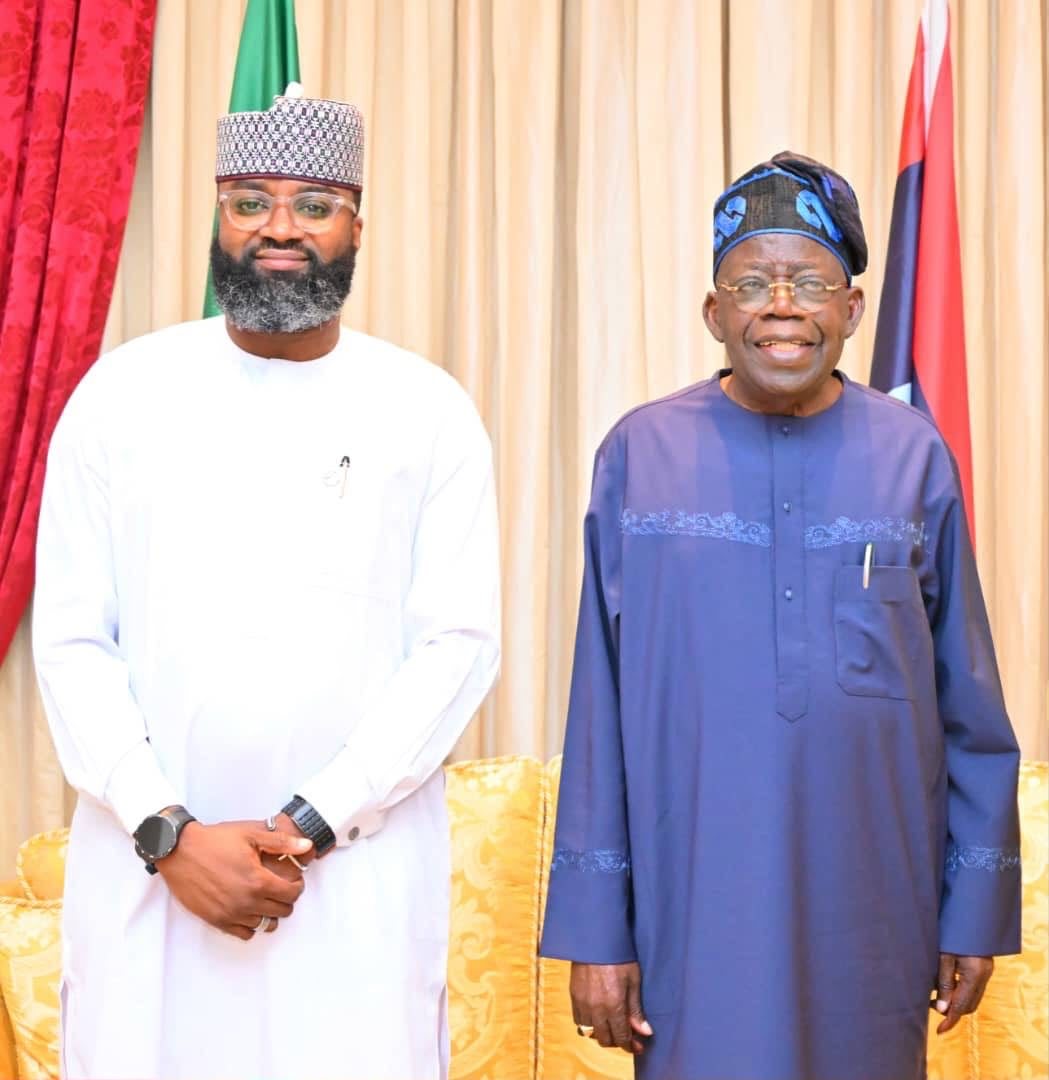
NASENI Now Operates Nearly 20 Factories Across Nigeria — Khalil Halilu
The National Agency for Science and Engineering Infrastructure (NASENI) now has close to 20 factories across Nigeria as part of a broader push to turn the agency into an industrial production and technology commercialisation institution, its Executive Vice Chairman/Chief Executive Officer, Khalil Suleiman Halilu, has said.
Halilu disclosed this during an interview on the Nativeland Podcast, where he outlined the agency’s evolving role in the Federal Government’s industrialisation drive and efforts to increase local production, create jobs and reduce Nigeria’s dependence on imports.
“Before now, NASENI produces almost nothing, but now we can boast of close to 20 factories around the country,” Halilu said.
He also disclosed that close to 2,000 companies and organisations have expressed interest in working with NASENI through the agency’s partnership platform, pointing to what he described as a growing network of collaborations aimed at developing Nigeria’s industrial and technological capacity.
According to the NASENI boss, the agency’s current direction is shaped by the Federal Government’s emphasis on industrialisation and the need to build domestic capacity in strategically important sectors.
“The current administration is pushing for industrialisation,” Halilu said. “How do we create jobs? How do you become independent on key things? And how do we create value for our people?”
He said increasing domestic production would have wider economic benefits beyond manufacturing itself, including employment creation, import substitution and increased foreign exchange earnings.
“When you are creating value, you create jobs, you reduce import dependency, and you also earn foreign exchange in some instances where you can add value on things before you export them or [produce] finished products and export them,” he said.
Halilu explained that NASENI’s mandate allows successive administrations to determine priorities for the development of Nigeria’s science and engineering infrastructure in response to prevailing economic and technological circumstances.
Under the current administration, he said, industrialisation has become a central priority, with NASENI tasked with developing the science, engineering and technological capabilities required to support that ambition.
The agency is consequently pursuing interventions at different points of what Halilu described as the “industrialisation journey,” ranging from technology education and innovation to commercial partnerships and manufacturing.
One of those interventions is Innovate Nigeria, which Halilu described as the agency’s major innovation challenge. NASENI is also targeting younger Nigerians through its Future Makers programme, designed for children between the ages of five and 16.
Halilu said the objective at that stage was not necessarily to expect young participants to immediately create businesses or factories but to build an early interest in science and technology that could eventually feed Nigeria’s innovation and industrial ecosystem.
“At that moment, they are not going to build a factory. You need to embed the whole idea and the love of technology in them,” he said.
The agency has also established programmes targeted at civil servants, whom Halilu said were often overlooked as potential sources of innovation despite their role in designing and implementing government programmes.
He said NASENI had created dedicated funding to identify promising innovations developed by civil servants and support efforts to scale them.
Women are another focus of the agency’s programmes. Halilu highlighted initiatives including a drone programme for women as well as an exchange arrangement connecting Nigerian businesses with counterparts in the Czech Republic.
Under the exchange initiative, businesses operating in similar sectors in both countries are paired to explore opportunities for technology transfer and collaboration.
Halilu cited agriculture as an example, explaining that while Czech companies may possess more sophisticated technologies and equipment, Nigerian partners can contribute local market knowledge and help adapt those technologies to domestic operating conditions.
The approach, he said, reflects NASENI’s broader strategy of ensuring that foreign technology and expertise brought into the country are adapted to Nigeria’s circumstances rather than simply imported wholesale.
For Halilu, the various interventions—from cultivating interest in technology among children to supporting innovators, building international partnerships and establishing production facilities—form different parts of the same objective: developing the domestic capabilities Nigeria requires to industrialise.
The challenge now confronting the agency, he said, is to translate science and engineering infrastructure into productive capacity that creates jobs, substitutes imports, generates value locally and, ultimately, positions Nigerian-made products for export.